2026-03-03
Manufacturing
2024-12-02
2619 Read.
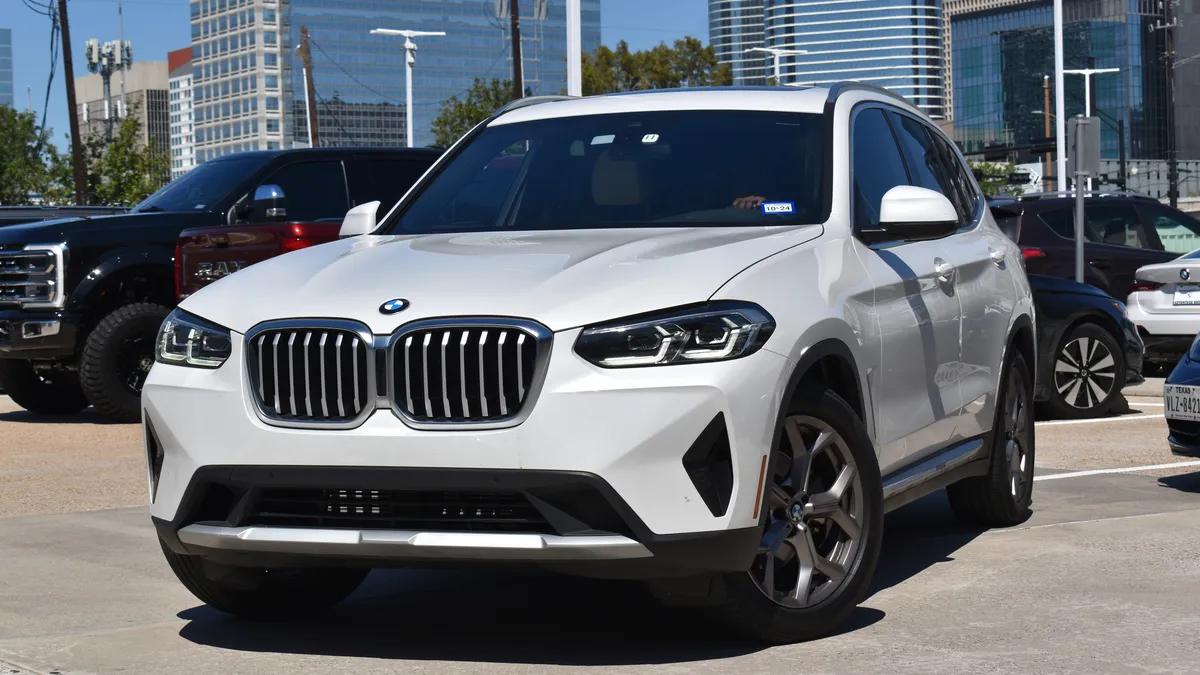
BMW Group’s long-term effort to build out its U.S. manufacturing footprint over the past three decades could help protect it from many geopolitical shifts and tariffs, CEO Oliver Zipse said during the company’s Q3 earnings call.
The automaker has 30 locations that include manufacturing and office sites across 12 states, including the largest BMW Group plant in the world, which is in Spartanburg, South Carolina. As a result, Zipse said, about 65% of vehicles sold by BMW in the U.S. are produced at the Spartanburg plant.
“We have a strong footprint there, which kind of protects us against anything which might happen on the geopolitical side,” Zipse said.
The CEO’s comments come as manufacturers in the U.S. increasingly prepare for further tariffs, should President-elect Donald Trump follow through on his campaign promise. Honda Motor Co., for example, is assessing whether production pivots could help mitigate tariffs.
BMW's CEO took it a step further, though, saying the tariffs could potentially help the company gain market share.
“If you are a local producer with a local footprint, you are of course benefiting in case there is something changing on the tariff side,” Zipse said.
Zipse pointed to the fact that its local production is high not only in the United States, but also in China, where the company produces 85% of its local sales.
“That’s kind of a natural protection you have there,” he said.
In addition, Zipse said the automaker’s commitment of $1.7 billion euros ($1.8 billion) to transition its massive Spartanburg production campus to build battery electric vehicles will strengthen its position to grow U.S. market share.
He said BMW’s year-to-date U.S. sales through October is 7,000 units ahead when compared to a year ago, which signals growth potential as the company prepares to accelerate EV production. That still faced a road bump in Q3 — when the automaker’s U.S. EV sales fell 5.9% year over year. But its year-to-date U.S. EV sales jumped 19.5% to 37,105 units, representing 15.8% of BMW’s total U.S. sales.
Zipse also pointed to strong demand for SUVs in the U.S., noting it leaves the automaker in a strong position to grow sales. BMW's X3, X5, and X7 SUVs and its X4 and X6 crossover sport activity vehicles are all produced in Spartanburg.
“We see a growing market for us,” he said. “We seem to have the right product portfolio on the combustion engine side as well as on the electric side, so in the United States, I would think we almost have a perfect set up for the time to come.”
Edwin Lopez contributed to this story.

2026-03-03
Manufacturing
2026-03-03
Manufacturing
2026-02-25
Manufacturing
